-
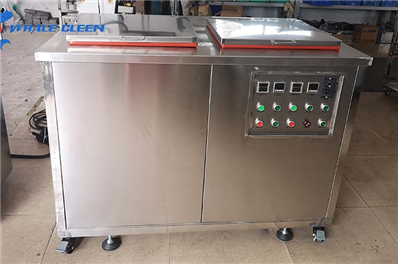 Frequent Downtime? Can’t Find After-Sales Support? For Large Ultrasonic Cleaning Machines, Choose an Experienced Manufacturer That Specializes in Non-Standard Customization
Imagine this: Your production line is running at full capacity. Critical components are moving through the cleaning station—the final step before assembly. Then, without warning, your large ultrasonic cleaning machine goes dark.The red alarm light flashes
-
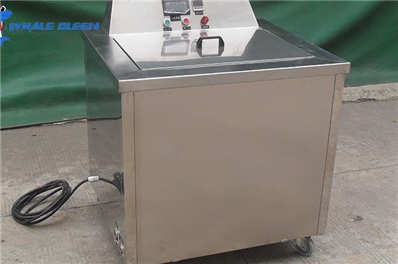 What are the characteristics of a small ultrasonic cleaning machine?
With the development of ultrasonic technology, now the ultrasonic cleaning machine has changed dramatically, the frequency can be used in 20-100kHz at the same time, and high-frequency cleaning technology has broken through the scope and effect of ultraso
-
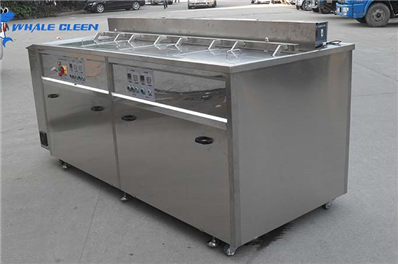 The price and characteristics of a small ultrasonic cleaning machine
The ultrasonic cleaning machine has been developed from the end of the 19th century and the beginning of the 20th century to the production, development, and use of major manufacturers. Next, Kitai will tell you the price of a small ultrasonic cleaning ma
-
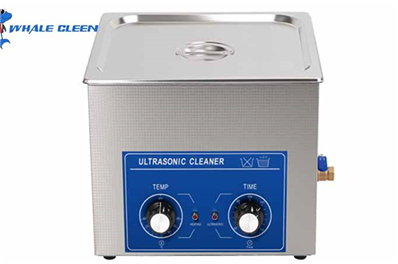 There are several categories of ultrasonic cleaning machines. How to classify?
With the development of technology, ultrasonic cleaning machine has entered every household, from the common dishwasher, and glasses ultrasonic cleaning machine to large-scale industrial ultrasonic cleaning machine, it can be said that there are many kind
-
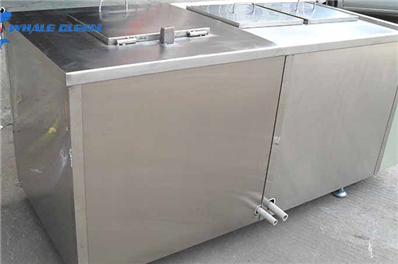 What are the categories of ultrasonic cleaning machines? Precautions and common problems of ultrasonic cleaning machines
Along with the rapid development of our country's manufacturing industry, the ultrasonic cleaning machine, as an excellent instrument and equipment in cleaning tools, must have its presence in every field of work, because to cooperate with the work re
-
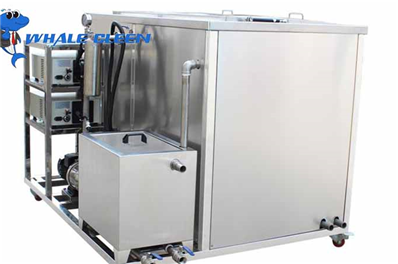 Breakthrough and application of automotive single tank ultrasound cleaning machine
With the rapid development of the industry, industrial enterprises are facing the pressure of internal and external competition. For example, the rapid development of the automotive industry has become our daily important means of transportation. T
-
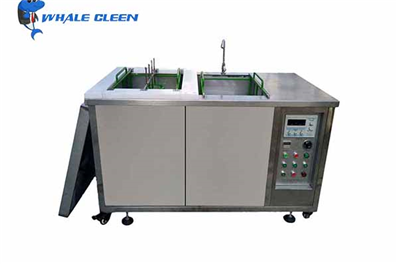 Type, parameter, and precautions for ultrasonic cleaning machine
At present, the ultrasonic cleaning machine has gradually replaced the traditional methods of soaking, scrubbing, pressure cleaning, vibration cleaning, steam cleaning. And it has been applied to a more professional manufacturer. The efficiency and high c
-
 Stuck with Grinding Dust Embedded in Batch Workpiece Crevices? Manual Cleaning Is Draining Your Labor Budget and Driving Production Costs Through the Roof
Walk into any metalworking shop, stamping plant, or machining facility, and you will see the same scene repeated shift after shift: workers hunched over parts bins, scrubbing with brushes, picking at crevices with picks, blowing compressed air into blind
-
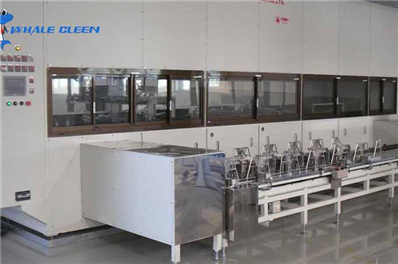 Same Ultrasonic Cleaning, Why Are Some Aerospace Fastener Yield Rates So Much Higher?
In aerospace manufacturing, few quality metrics are as unforgiving as fastener cleanliness. A single micro-fastener — a titanium alloy bolt, a high-strength steel screw, a threaded insert — can carry cutting fluids, lapping compounds, or microscopic metal
-
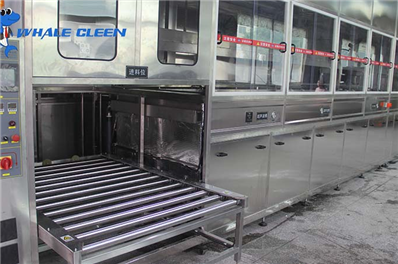 Can One Ultrasonic Cleaning Machine Really Solve Water Stain and Oxidation Problems on Die-Cast Parts?
Walk into any die-casting facility, and you will hear the same frustration from quality control inspectors and production managers alike. Aluminum die-cast parts emerge from the cleaning line looking perfectly clean—only to reveal white spots, cloudy patc
-
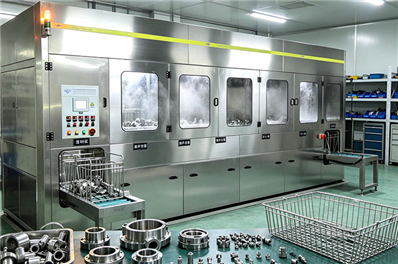 Industrial Ultrasonic Cleaning Machine: The Complete Solution for Manufacturing Precision Parts
In modern manufacturing, surface cleanliness is not merely an aesthetic consideration—it is a critical factor that directly impacts product performance, coating adhesion, and overall production yield. From automotive engine components and transmission par
-
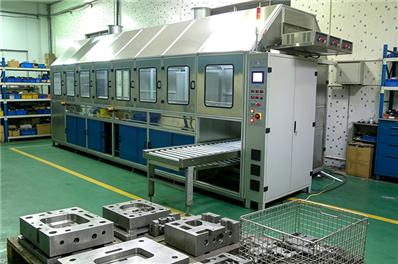 No Harsh Chemicals? How to Achieve Micron-Level Cleanliness for Nickel-Plated Substrates
You've dialed in the nickel plating bath chemistry. The temperature is right, the current density is optimized, and the dwell time is precisely controlled. Yet the plating still blisters. The cross-hatch test fails. The adhesion just isn't there.T